Why rest is not enough
Always tired? Why rest isn't enough.
You may sleep longer, take a weekend off, or try to slow down, but still wake up feeling flat. At RootCare, that kind of fatigue is not seen as ordinary tiredness. It often means the body has moved beyond using its daily fuel and has started draining deeper reserves.
In Traditional Chinese Medicine, this long-term exhaustion is often described as a depletion pattern where Post-Natal Qi can no longer keep up and deeper reserves like Essence, Yang, or Blood have to compensate. Modern clinic experience often shows the same thing: if the deeper drain is not addressed, more rest alone does not bring real recovery.
01
The energy credit card pattern
In TCM, daily energy comes from food, breath, and recovery, while Essence acts more like a deeper savings account. When modern life keeps demanding more than daily energy can cover, people begin borrowing from those deep reserves.
- You may keep functioning for a while, but feel increasingly underpowered underneath.
- Once deeper reserves are low, a nap or holiday often stops feeling like enough.
02
Spleen Qi fails to make fuel
The Spleen is responsible for turning food and fluid into usable energy. When it weakens, the body can eat well and still feel tired because the fuel factory is not transforming nourishment properly.
- This often feels heavy, foggy, and worse after meals rather than sharp or tense.
- Irregular eating, too many raw or cold foods, and overthinking often contribute.
Related pattern: Spleen Qi deficiency ->
03
Dampness makes tiredness feel heavy
Fatigue is not always a lack of energy. Sometimes heavy Dampness makes the body feel bogged down, slow, and weighed down, as if the system is moving through mud.
- The limbs may feel leaden and the head can feel wrapped in fog.
- This kind of fatigue often comes with sluggish digestion and poor mental clarity.
Related pattern: Spleen Dampness ->
04
Emotional strain knots and drains energy
Constant pensiveness, worry, grief, or long stress periods consume energy in a very real way. In TCM, overthinking injures the Spleen and keeps the body from producing and moving energy freely.
- You may feel mentally overloaded while the body becomes flatter and weaker.
- Energy gets tied up in the mind instead of becoming usable strength in the body.
Related pattern: Liver Qi stagnation ->
05
Kidney Yang is the missing fire
Kidney Yang is the body's physiological fire. When it runs low, metabolism, warmth, drive, and activation all drop, and the whole system starts feeling like a cold engine that cannot really turn over.
- This often feels chilly, low-drive, and harder to get moving in the morning.
- The body can feel drained not just of energy, but of spark.
Related pattern: Kidney Yang deficiency ->
06
Blood and spirit do not restore well overnight
When Blood is depleted, the Shen does not anchor well at night. Some people feel exhausted yet never truly restored because sleep stays light, restless, or not deeply nourishing.
- This creates a loop where poor restoration causes more fatigue, and fatigue weakens recovery even more.
- The issue is not just sleep quantity, but whether the spirit and body can settle deeply enough to refill.
Related pattern: Blood deficiency ->
RootCare treatment principle
How RootCare rebuilds depleted energy
For long-term fatigue, burnout, slow recovery, and the feeling that rest is no longer enough, treatment often needs to rebuild the body's capacity first.
In TCM, tonification means supporting what is depleted: Qi, Blood, Yang, Yin, Essence, or the digestive strength that turns food and rest into usable energy. When Zheng Qi - the body's upright, self-repairing energy - is stronger, the body has more capacity to clear what is heavy, move what is stuck, and recover properly.
This is why treatment is not only about chasing symptoms. Dampness, stagnation, and heaviness may need to be addressed, but in chronic fatigue they often sit on top of a weaker foundation. If we only clear or move without rebuilding, the relief may be temporary and the body can feel even more drained.
Tonification is not the same as simply adding more stimulation. If there is strong Heat, acute infection, or a clearly excessive pattern, treatment needs to clear or regulate first. But in long-term fatigue, the body often needs enough support before it can safely move what is stuck or clear what is heavy.
As treatment begins to fit the pattern, improvement may show up gradually: waking less flat, fewer afternoon crashes, clearer digestion, deeper sleep, or better recovery after stress or illness.
RootCare usually works in this order:
Rebuild what is depleted. Move what is stuck. Clear what is heavy. Match the pace to what your body can tolerate.
Common acupuncture points we may consider
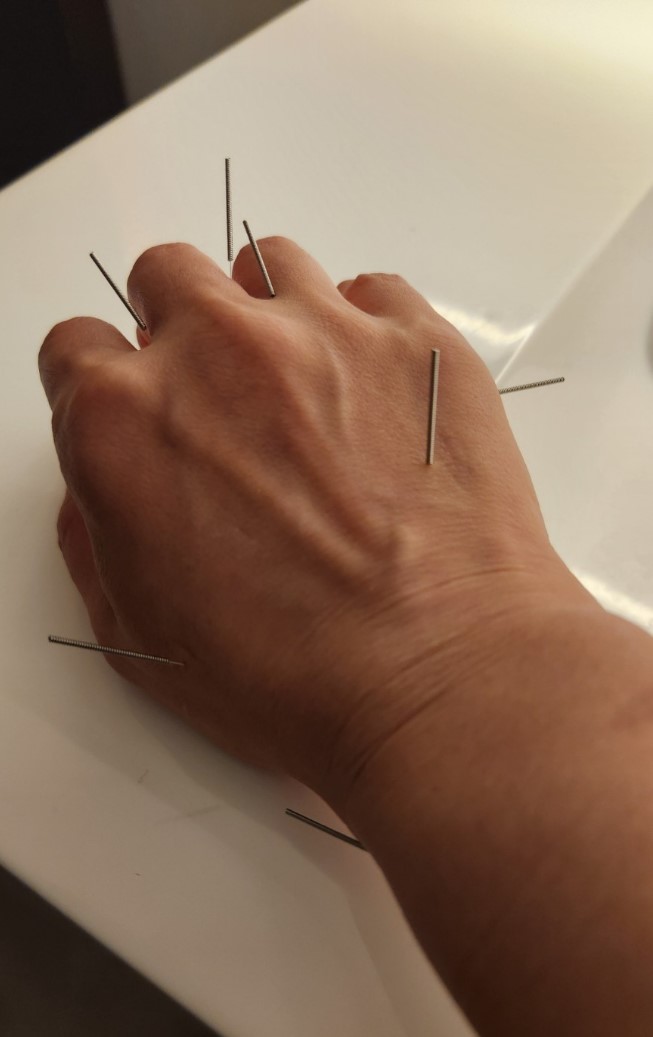
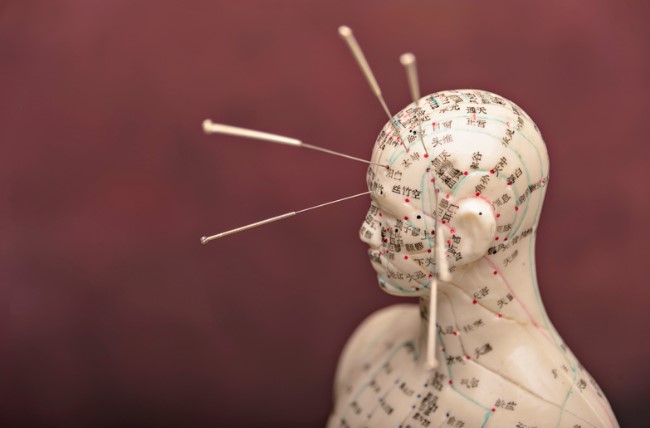
Point selection is always based on your presentation, but fatigue and depletion patterns often involve points that support digestion, recovery, warmth, Blood, and nervous system settling.
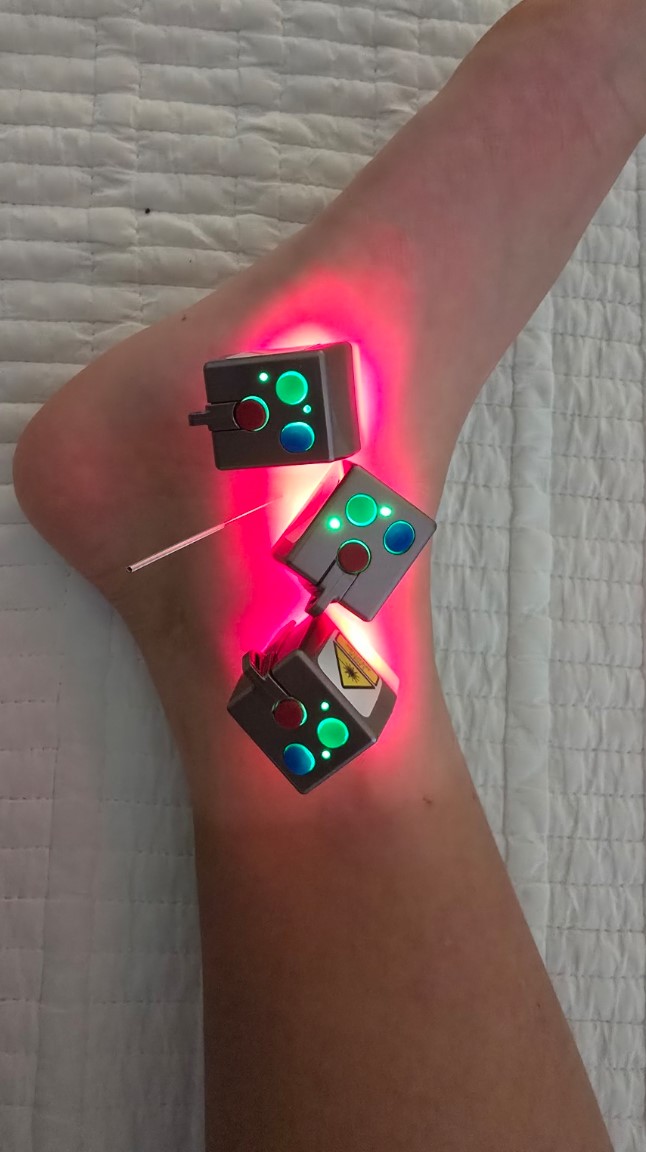
ST36 Zusanli
Often used to support Qi, stamina, digestion, and general resilience. It is one of the classic points for rebuilding strength and helping the body turn food and rest into usable energy.
SP6 Sanyinjiao
Often considered when fatigue overlaps with Blood, Yin, hormonal, digestive, or sleep patterns. It is commonly used when the body feels depleted rather than simply tense.
CV6 Qihai
A central tonification point often used to support Qi and lower abdominal energy. It may be considered when the body feels underpowered, flat, or unable to hold energy through the day.
CV12 Zhongwan
Often used when digestion is central to the fatigue picture, especially when tiredness is worse after eating, with bloating, heaviness, or poor transformation of food into energy.
BL20 and BL23
Back-shu points related to Spleen and Kidney support. They may be considered when fatigue involves poor digestion, low reserves, coldness, low stamina, or deeper depletion.
KD3 Taixi
Often used in Kidney deficiency patterns, especially when fatigue comes with low back weakness, low reserve, coldness, or poor recovery.
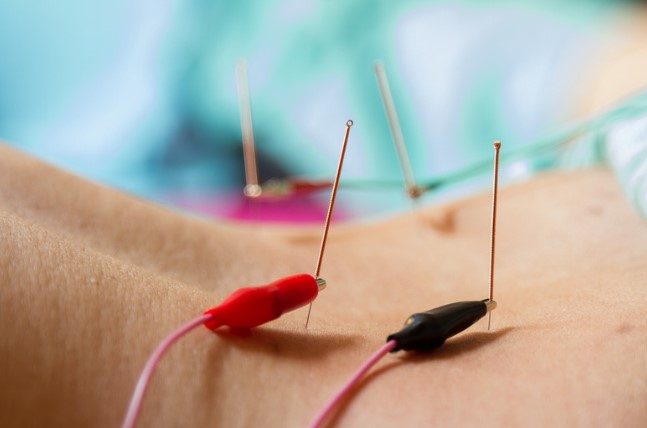
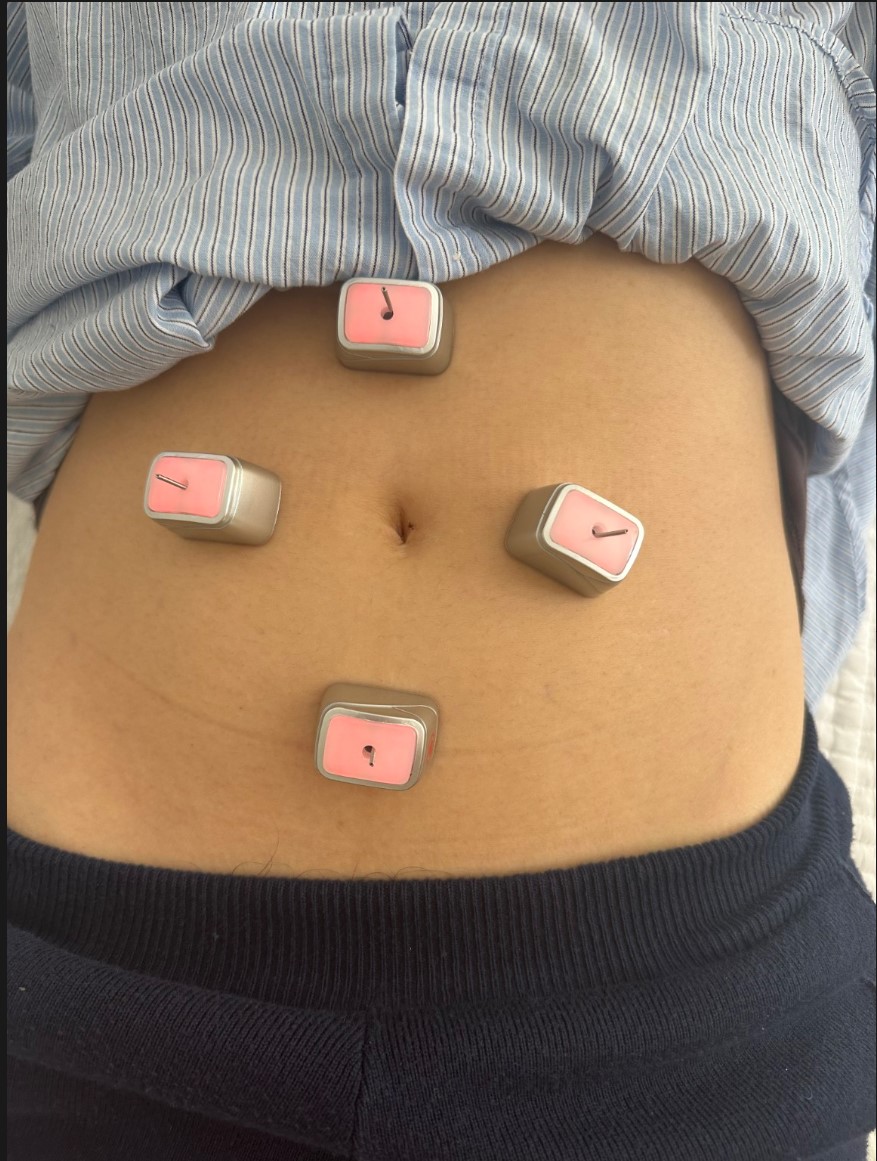
Moxa or electro-moxa
When the pattern is cold, weak, or Yang-deficient, moxa warmth may be used to support the body's warming and activating function.
These points are not a fixed formula. Some people need more tonification, some need gentle movement of stagnation, and some need Dampness cleared while the body is being rebuilt. The treatment is adjusted to the pattern, not just the symptom name.